
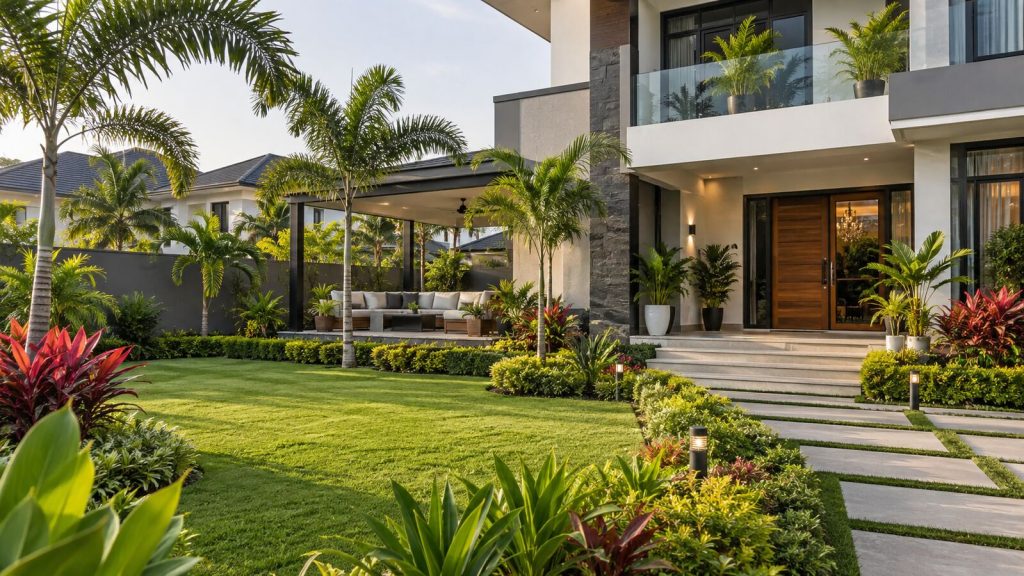
Residential landscaping is the planning, improvement, and ongoing care of the outdoor areas surrounding a home. It combines plants, lawns, walkways, drainage, lighting, irrigation, and other practical features to create an attractive and comfortable residential environment. A well-planned landscape should not only improve the appearance of a property but also make the outdoor space easier, safer, and more enjoyable to use.
Every residential property has different requirements. The available space, soil condition, drainage, sunlight, household activities, maintenance expectations, and budget all influence the final result. For this reason, effective residential landscaping begins with careful assessment and planning rather than simply purchasing plants or installing decorative
Casaterranova
Website: www.casaterranova.ng
Phone: +234 911 351 5312
Address: 9 Jerry Gana Close, Utako, Abuja
What Is Residential Landscaping?
Residential landscaping involves designing, constructing, planting, and maintaining the outdoor spaces of private homes. It may cover a front garden, backyard, courtyard, driveway, entrance, balcony, rooftop, or another outdoor area connected to a residential property.
The process can include soft landscaping features such as lawns, trees, shrubs, flowers, ground covers, and soil improvement. It can also include hard landscaping features such as walkways, patios, retaining walls, garden borders, fences, drainage channels, outdoor seating, and lighting.
The goal is to create an outdoor environment that supports the needs of the household while complementing the architecture of the home. A successful residential landscape balances appearance, function, safety, environmental conditions, and long-term maintenance.
Why Residential Landscaping Is Important
Residential landscaping improves the way a property looks and functions. An organised outdoor space creates a stronger first impression and can make a home feel more welcoming. It also helps define how different parts of the property should be used.
For example, a paved path can provide safe movement between the entrance and parking area. A lawn may create space for children, pets, relaxation, or small gatherings. Trees and shrubs can provide shade, privacy, and protection from wind. Proper drainage can direct stormwater away from buildings and frequently used areas.
Landscaping can also support the value and marketability of a property. Buyers and tenants often respond positively to homes with clean entrances, healthy plants, practical outdoor spaces, and visible signs of regular maintenance. However, the strongest results come from thoughtful planning rather than adding too many unrelated features.
Assessing the Residential Property
A site assessment should be completed before landscaping work begins. This assessment identifies opportunities, limitations, and possible risks that may affect the project.
Important factors include the size and shape of the property, existing structures, access points, ground levels, soil condition, sunlight, shade, wind exposure, drainage, and current vegetation. Utility lines, water supply, neighbouring properties, and household movement should also be considered.
The assessment should examine how the residents currently use the outdoor space and what they would like to improve. A household may need better parking access, more privacy, a safer play area, additional shade, an entertainment space, or a garden that requires less maintenance.
Understanding these priorities helps prevent unnecessary work and ensures that the available budget is directed toward features that provide genuine value.
Planning the Landscape Layout
A residential landscape plan organises the property into practical areas. It shows where plants, walkways, seating, lawns, lighting, drainage, and other elements should be placed.
The layout should provide clear movement between the entrance, house, parking area, service spaces, and garden. Walkways should be wide enough for comfortable use and constructed from durable, slip-resistant materials. Frequently used routes should be direct and easy to follow.
The plan should also preserve sufficient open space. Filling every part of the property with plants or decorative structures can make the landscape feel crowded and difficult to maintain. A simpler arrangement with clearly defined areas often creates a cleaner and more spacious appearance.
Soft Landscaping Elements
Soft landscaping refers to the living components of the landscape. These include trees, shrubs, lawns, flowers, climbing plants, ground covers, and other vegetation.
Plant selection should be based on the actual conditions of the property. Factors such as sunlight, soil type, available space, water requirements, mature plant size, and maintenance needs must be considered. A plant that looks small when purchased may eventually grow too close to a wall, walkway, drainage channel, or utility line.
Trees can provide shade, structure, privacy, and visual interest. Shrubs can define boundaries, soften walls, or create layers within planting beds. Ground covers may protect exposed soil and reduce erosion, while lawns provide flexible space for movement and recreation.
Using suitable plants reduces replacement costs and helps the landscape remain attractive throughout different seasons.
Hard Landscaping Elements
Hard landscaping includes the constructed, non-living features of an outdoor space. Examples include pathways, patios, driveways, steps, retaining walls, garden borders, fences, pergolas, and seating areas.
These features create structure and make the landscape easier to use. Their design should suit the scale and architectural style of the property. Materials should also be selected for durability, safety, appearance, availability, and maintenance requirements.
Poorly installed hard landscaping can create cracks, unstable surfaces, drainage problems, and safety risks. Proper foundations, suitable materials, accurate levels, and careful workmanship are therefore essential.
Hard landscaping should normally be completed before delicate planting and lawn installation. This protects plants from damage during construction and reduces the need to disturb finished areas.
Drainage and Water Management
Drainage is one of the most important parts of residential landscaping. Water that remains around buildings, walkways, lawns, or planting areas can cause erosion, damaged plants, slippery surfaces, structural problems, and mosquito breeding.
The landscape should direct excess water toward appropriate drainage points without transferring the problem to neighbouring properties. Solutions may include grading, surface channels, underground pipes, soakaways, permeable paving, gravel areas, and planted drainage zones.
Existing drainage patterns should be examined before changing ground levels or installing new structures. A beautiful landscape can quickly deteriorate if water management is ignored during planning and construction.
Irrigation Systems
Plants and lawns require reliable watering, particularly while they are becoming established. An irrigation system can distribute water more consistently than irregular manual watering.
The most suitable system depends on the size of the garden, plant types, water supply, soil condition, and budget. Drip irrigation works well for many planting beds because it delivers water close to plant roots. Sprinklers may be suitable for lawns, while carefully positioned hose points can support smaller gardens.
Irrigation zones should be planned according to different plant requirements. Lawns, trees, shrubs, and delicate plants may not need the same amount of water. Regular inspection is necessary to identify blocked outlets, damaged pipes, leaks, and poorly directed sprinklers.
Outdoor Lighting
Outdoor lighting improves safety, security, visibility, and atmosphere. It can illuminate entrances, steps, walkways, parking areas, seating spaces, and selected plants or architectural features.
Lighting should be positioned carefully to avoid excessive glare and unnecessary energy use. Path lights can guide movement, while focused fixtures may highlight trees, walls, or garden features. Motion-sensitive lighting can be useful in service and security areas.
Electrical installations should be completed with weather-resistant equipment and appropriate safety measures. Lighting cables and fixture positions should be coordinated with the planting and irrigation plans to reduce future damage.
Privacy, Shade, and Comfort
A residential landscape should support privacy and comfort without making the property feel enclosed. Trees, shrubs, screens, fences, pergolas, and climbing plants can reduce unwanted views and create more private outdoor areas.
Shade is especially important around seating, play, and relaxation spaces. It may be provided by trees, roof extensions, pergolas, umbrellas, or other suitable structures. The location of shade should be planned according to the movement of the sun and the times when the area will be used.
Comfort also depends on ventilation, seating arrangement, surface temperature, accessibility, and protection from rain or strong wind. These practical details help transform an attractive garden into a space that residents can use regularly.
Residential Landscaping for Small Spaces
Small residential spaces require careful organisation. The objective should be to improve function without overcrowding the property.
Vertical planting, narrow planting beds, wall-mounted containers, compact trees, built-in seating, and multipurpose features can help use limited space efficiently. Repeating a small selection of plants and materials often creates a more organised appearance than using many unrelated elements.
Clear pathways and uncluttered sightlines can make a small garden appear larger. Light-coloured materials, layered planting, and well-positioned lighting may also improve the feeling of space.
Low-Maintenance Residential Landscaping
A low-maintenance landscape is designed to remain presentable without excessive labour, water, or replacement costs. It does not mean that no maintenance is required.
Maintenance can be reduced by selecting suitable plants, limiting complicated lawn shapes, providing adequate spacing, controlling weeds, improving soil, installing efficient irrigation, and using durable construction materials.
Planting beds should be accessible for pruning, cleaning, and replacement. Trees should not be positioned where falling leaves or roots will continually create problems. Irrigation and lighting components should also remain accessible for inspection and repair.
Common Residential Landscaping Mistakes
One common mistake is starting work without a complete plan. This can lead to blocked pathways, poor drainage, unsuitable planting, and repeated construction.
Another mistake is choosing plants only because they look attractive at the time of purchase. Their mature size, root behaviour, sunlight requirements, and maintenance needs must also be considered.
Other problems include installing too many features, ignoring drainage, using weak materials, planting too close to buildings, and failing to budget for maintenance. These mistakes can increase long-term costs and reduce the usefulness of the landscape.
Budgeting for Residential Landscaping
A realistic budget should cover planning, site preparation, materials, labour, plants, irrigation, drainage, lighting, transportation, waste removal, and maintenance after completion.
The entire project does not always need to be completed at once. Work can be divided into phases according to priority. Drainage, grading, access routes, and major construction should usually be addressed before decorative planting and accessories.
A clear quotation should explain the scope of work, materials, quantities, labour, schedule, and payment terms. Property owners should also keep a reasonable contingency amount for site conditions that were not visible before construction began.
Maintaining a Residential Landscape
Maintenance protects the appearance, health, and function of the completed landscape. Typical activities include mowing, pruning, watering, fertilising, weeding, cleaning, pest control, replacing damaged plants, and inspecting irrigation, drainage, lighting, and paved areas.
The maintenance schedule should reflect the types of plants and materials used. Some landscapes require weekly attention, while others may need only periodic professional care and simple routine tasks.
Keeping basic records can make maintenance easier. Information about plant types, fertiliser applications, irrigation repairs, pest treatments, and replacement work can support better long-term decisions.
Choosing a Residential Landscaping Company
Property owners should choose a landscaping company that understands both design and practical implementation. The company should be able to assess the site, explain its recommendations, provide a clear scope of work, and coordinate construction, planting, irrigation, lighting, and maintenance where required.
Previous projects, experience, communication, materials, timelines, and aftercare support should be reviewed. A professional company should also explain how the proposed landscape responds to the household’s needs, the property’s conditions, and the available budget.
Effective residential landscaping is an investment in the comfort, appearance, and functionality of a home. When planning, construction, planting, and maintenance are properly coordinated, the outdoor space can remain attractive and practical for many years.
Casaterranova
Website: www.casaterranova.ng
Phone: +234 911 351 5312
Address: 9 Jerry Gana Close, Utako, Abuja
FAQs About What Is Residential Landscaping?
1. What is residential landscaping?
Residential landscaping is the planning, construction, planting, and maintenance of outdoor spaces surrounding a home. It combines natural and constructed features to improve appearance, comfort, safety, and functionality.
2. What does residential landscaping include?
It may include lawns, trees, shrubs, planting beds, walkways, patios, drainage, irrigation, outdoor lighting, fences, seating areas, and regular landscape maintenance.
3. Why is residential landscaping important?
It improves the appearance and usability of a property while supporting drainage, privacy, shade, safer movement, recreation, and potentially stronger property value.
4. How do I plan a residential landscape?
Begin with a site assessment and identify the household’s priorities, available budget, drainage conditions, movement routes, maintenance expectations, and preferred features before developing the layout.
5. What is the difference between soft and hard landscaping?
Soft landscaping includes living elements such as lawns, trees, shrubs, and flowers. Hard landscaping includes constructed features such as paths, patios, walls, steps, borders, and fences.
6. Which plants are suitable for residential landscaping?
Suitable plants depend on sunlight, soil, climate, available space, water supply, mature plant size, and the amount of maintenance the household can provide.
7. Does residential landscaping require drainage?
Yes. Proper drainage protects buildings, plants, lawns, and paved areas from standing water, erosion, slippery surfaces, and other forms of water damage.
8. How can I make my residential landscape easier to maintain?
Use suitable plants, simple planting arrangements, efficient irrigation, accessible planting beds, durable materials, effective weed control, and clearly defined lawn and paved areas.
9. How much does residential landscaping cost?
The cost depends on the property’s size, condition, design, materials, plants, labour, drainage, irrigation, lighting, and other selected features. A site-specific quotation provides the most accurate estimate.
10. How do I choose a residential landscaping company?
Choose a company with relevant experience, clear communication, completed project examples, suitable materials, realistic timelines, detailed quotations, and the ability to coordinate both installation and maintenance.