
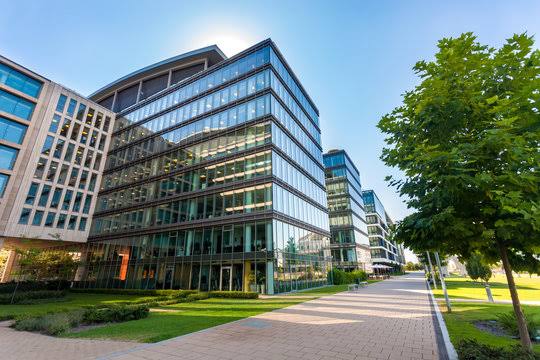
Benefits of Environmental Design for Commercial Properties extend far beyond making a business premises look attractive. A thoughtfully designed commercial environment can improve how people experience a property, support safer movement, strengthen outdoor functionality, and help businesses make better use of available space. In Nigeria, where commercial properties must respond to intense sunlight, seasonal rainfall, drainage challenges, and different patterns of daily use, environmental design can be especially valuable.
For commercial property owners, estate developers, hotel and office managers, the goal is not simply to add plants or decorative features. Effective environmental design considers the relationship between buildings, outdoor spaces, circulation areas, vegetation, lighting, irrigation, drainage, and the people who use the property.
This guide explains the major benefits of environmental design for commercial properties, how thoughtful outdoor planning can improve property performance, and the practical considerations Nigerian property owners should understand before developing or upgrading commercial outdoor spaces.
Casaterranova
Website: www.casaterranova.ng
Phone: +234 911 351 5312
Address: 9 Jerry Gana Close, Utako, Abuja
Benefits of Environmental Design for Commercial Properties
Stronger First Impressions and Property Appeal
The outdoor environment is often the first part of a commercial property that customers, tenants, employees, visitors, and business partners see. A well-planned entrance, attractive planting, maintained lawn areas, appropriate outdoor lighting, and organized pedestrian spaces can create a more professional impression.
However, visual appeal should support the function of the property rather than exist purely for decoration. Planting should complement buildings and access routes, while outdoor spaces should remain practical to maintain and use.
For example, a corporate office may benefit from an organized entrance landscape that creates a clear transition from the parking area to the building. A hotel may require attractive outdoor spaces that contribute to the overall guest experience. Similarly, a retail or mixed-use development can use well-planned outdoor areas to make entrances easier to identify and navigate.
Better Use of Commercial Outdoor Space
Commercial properties often contain outdoor areas that are underused or poorly organized. Environmental planning can turn these spaces into purposeful parts of the property.
Landscape construction and commercial outdoor design can help define different areas for entrances, walkways, lawns, planting zones, parking surroundings, recreational spaces, and other appropriate outdoor uses.
As a result, the property can feel more organized without necessarily requiring additional land. Instead of treating outdoor areas as leftover space around a building, property owners can consider how each part contributes to the property’s overall function.
Improved Comfort Around Buildings
Outdoor environmental conditions can influence how comfortable people feel around commercial buildings. Well-positioned vegetation and carefully planned outdoor areas can contribute to a more pleasant environment, particularly in locations exposed to strong sunlight.
Trees, shrubs, lawns, and other appropriate planting can be incorporated into a broader landscape plan to provide visual relief and help create more comfortable outdoor spaces.
This can be particularly useful around office buildings, hotels, commercial developments, and other properties where people regularly move between indoor and outdoor areas.
More Effective Water Management
Rainfall management is an important consideration for commercial properties in Nigeria. Poorly planned outdoor areas can contribute to water accumulation, erosion, damaged landscape areas, and difficult pedestrian movement during heavy rainfall.
Environmental design can integrate appropriate landscape planning with irrigation system installation and other site considerations so that water is managed more effectively.
The exact solution depends on the property, existing site conditions, levels, surfaces, vegetation, and intended use. Therefore, commercial outdoor planning should consider water movement before landscape features are installed rather than attempting to correct problems after construction.
Reduced Landscape Maintenance Problems
A commercial landscape that looks attractive when first installed may become difficult and expensive to maintain if it was not planned around the property’s actual conditions.
Plant selection, lawn areas, irrigation requirements, circulation routes, planting density, and accessibility all influence ongoing maintenance.
A well-considered outdoor design can make these elements easier to manage. For instance, appropriate lawn care and maintenance planning can help commercial property managers establish more consistent maintenance routines instead of dealing with neglected or unsuitable landscape areas.
Additionally, selecting planting that is appropriate for the site’s conditions can reduce avoidable problems associated with poor placement or excessive maintenance requirements.
Improved Safety and Visibility
Environmental design can also contribute to safer commercial outdoor spaces. Clear circulation routes, controlled planting, appropriate lighting, and organized outdoor areas can help people move around a property more confidently.
Outdoor lighting is particularly relevant around entrances, walkways, parking areas, building approaches, and other areas where visibility matters.
At the same time, landscaping should not obstruct important sightlines or create unnecessary barriers. Plants, structures, lighting, and pedestrian routes should therefore be considered together rather than designed independently.
Stronger Corporate and Commercial Identity
The physical environment can support the character a commercial property wants to communicate. A corporate office may require a clean and structured outdoor appearance, while a hotel may benefit from a more welcoming and relaxed landscape.
Environmental design allows outdoor elements to work with the architecture and intended use of the property. This creates a more consistent experience from the entrance through the surrounding outdoor spaces.
For estate developers and commercial property owners, this can also make the development feel more complete because the building and its surrounding environment are considered as one property rather than separate components.
More Important Information
How Landscape Architecture Supports Commercial Property Performance
Landscape architecture provides a structured way to consider how outdoor spaces relate to buildings, users, movement, vegetation, and environmental conditions.
For a commercial property, the planning process should consider questions such as:
| Consideration | Why It Matters |
|---|---|
| Property access | Helps organize entrances and movement |
| Pedestrian circulation | Supports convenient movement around buildings |
| Plant selection | Influences appearance and maintenance |
| Sun exposure | Affects outdoor comfort and planting conditions |
| Rainfall and water movement | Helps reduce water-related landscape problems |
| Outdoor lighting | Improves visibility and supports evening use |
| Lawn areas | Provide usable and visually open landscape space |
| Irrigation | Supports consistent plant and lawn maintenance |
| Building surroundings | Connects the landscape with the architecture |
| Long-term maintenance | Helps keep the landscape functional after installation |
Considering these factors together can produce a more coherent commercial environment.
Environmental Planning for Nigerian Commercial Properties
Commercial outdoor environments in Nigeria need to respond to local conditions rather than simply copying designs created for other climates.
Strong sunlight, seasonal rainfall, soil conditions, available water, site exposure, and the property’s particular location can all affect landscape performance. Additionally, commercial properties experience different levels of pedestrian and vehicle activity, which means the landscape must be designed according to actual usage.
For instance, a busy office complex may require durable circulation areas and clearly defined entrances. A hotel may need carefully planned outdoor areas that complement guest facilities. An estate development may require a broader approach covering shared spaces and the relationship between multiple buildings.
Consequently, environmental design should begin with an understanding of the property rather than with a predetermined collection of decorative features.
The Role of Landscape Construction in Commercial Projects
Once the outdoor environment has been properly planned, landscape construction translates the design into a physical space.
This can involve creating planned planting areas, lawn spaces, circulation features, and other landscape elements appropriate to the commercial property.
The construction stage is important because poor execution can undermine an otherwise effective design. Levels, planting arrangements, lawn installation, irrigation components, and other elements need to work together.
For commercial property owners, this means the design and construction stages should be viewed as connected parts of the same outdoor development process.
Using Outdoor Lighting as Part of the Environment
Outdoor lighting can influence both the appearance and usability of commercial properties after daylight hours.
Rather than treating lighting as an isolated feature, it can be incorporated into the wider environmental plan. Entrance areas, pathways, landscape features, and appropriate outdoor zones can be considered when determining where illumination is useful.
The objective should be balanced lighting that supports visibility and complements the landscape without overwhelming the property.
Irrigation and Long-Term Landscape Performance
A newly installed commercial landscape requires appropriate ongoing care. Irrigation system installation can support lawns and plants by providing a planned method of delivering water where required.
However, irrigation should correspond to the landscape design and the property’s conditions. An unnecessarily complicated system may create additional maintenance requirements, while insufficient irrigation can affect landscape performance.
For this reason, irrigation planning should be considered alongside plant selection, lawn areas, site conditions, and expected maintenance.
Lawn Care and Maintenance After Installation
The benefits of commercial environmental design are easier to preserve when maintenance is considered from the beginning.
Lawn care and maintenance may include regular attention to lawn condition, planting areas, irrigation performance, and general landscape appearance. The exact maintenance requirements will vary depending on the property’s size, landscape design, plant selection, and level of use.
Property managers should therefore consider the long-term care requirements before approving a landscape project. A design that looks impressive initially but is difficult to maintain may not deliver the same value over time.
Matching Environmental Design to Different Commercial Properties
Different commercial properties require different outdoor strategies.
| Property Type | Environmental Design Priorities |
|---|---|
| Office buildings | Professional entrances, circulation, comfort, lighting, and manageable planting |
| Hotels | Welcoming outdoor spaces, attractive landscape presentation, lighting, and maintenance |
| Commercial developments | Clear access, organized outdoor areas, planting, lighting, and usability |
| Estate developments | Cohesive shared landscapes, movement routes, lawns, planting, and maintenance |
| Retail properties | Visible entrances, pedestrian movement, attractive surroundings, and practical outdoor space |
This is why there is no single environmental design solution suitable for every commercial property. The property’s purpose, users, architecture, available space, and environmental conditions should guide the approach.
Planning for Value Over the Long Term
Commercial environmental design should be evaluated beyond its initial appearance. Property owners should consider how the landscape will function months and years after completion.
A successful design should remain practical as plants mature, maintenance routines develop, and the property continues to experience daily use.
Additionally, planning for long-term performance can help avoid unnecessary modifications later. When circulation, planting, irrigation, lighting, lawn areas, and other approved landscape services are considered together, the property can have a more coordinated outdoor environment.
Conclusion
The benefits of environmental design for commercial properties include stronger visual appeal, better outdoor space utilization, improved comfort, more effective water management, safer movement, easier maintenance, and a more cohesive relationship between buildings and their surroundings. For Nigerian commercial properties, these benefits become more meaningful when outdoor planning responds to local environmental conditions and the property’s actual purpose.
Casaterranova provides environmental design, landscape construction, commercial outdoor design, outdoor lighting, irrigation system installation, and lawn care & maintenance for property owners and managers who want thoughtfully planned outdoor environments. Casaterranova can be contacted on +234 911 351 5312 or through www.casaterranova.ng.
Contact Details
Website: www.casaterranova.ng
Phone: +234 911 351 5312
Address: 9 Jerry Gana Close, Utako, Abuja
Frequently Asked Questions
1. What are the main benefits of environmental design for commercial properties?
The main benefits include improved property appearance, better outdoor space utilization, increased comfort, improved visibility, more organized circulation, better water management, and easier long-term landscape maintenance.
2. How can environmental design improve a commercial property’s appearance?
It coordinates planting, lawns, outdoor areas, lighting, entrances, and the surrounding building environment so they work together. This can create a more organized and professional appearance than disconnected landscape features.
3. Why is environmental design important for commercial properties in Nigeria?
Nigerian commercial properties must respond to conditions such as strong sunlight, seasonal rainfall, site drainage, vegetation requirements, and varying patterns of property use. Environmental design helps account for these factors during outdoor planning.
4. Can environmental design help with water management?
Yes. Proper site and landscape planning can consider how rainwater moves through outdoor areas and where landscape elements should be positioned. Irrigation planning can also support controlled watering of lawns and plants.
5. Does environmental design help reduce landscape maintenance?
It can. Selecting appropriate planting, organizing lawn and planting areas, planning irrigation, and considering access for maintenance can make a commercial landscape easier to manage over time.
6. How does landscaping affect commercial property comfort?
Trees, planting, lawns, and appropriately planned outdoor areas can create a more pleasant environment around commercial buildings. The design should consider sunlight, outdoor movement, site conditions, and how people use the property.
7. What role does outdoor lighting play in commercial environmental design?
Outdoor lighting can improve visibility around appropriate entrances, pathways, and other outdoor areas while also complementing the landscape. Its position and intensity should be considered as part of the wider outdoor plan.
8. Is landscape construction part of environmental design for commercial properties?
Landscape construction can be part of implementing an environmental design. It translates the planned outdoor environment into physical landscape elements such as planting areas, lawns, and other appropriate features.
9. Should irrigation be planned before installing a commercial landscape?
Yes. Irrigation requirements are best considered during the planning stage because water needs can influence plant selection, lawn areas, maintenance, and the overall performance of the landscape.
10. How can commercial property owners maintain the benefits of environmental design?
Owners and property managers should establish suitable lawn care and landscape maintenance routines, monitor irrigation, maintain outdoor lighting where applicable, and address landscape problems before they become major issues.